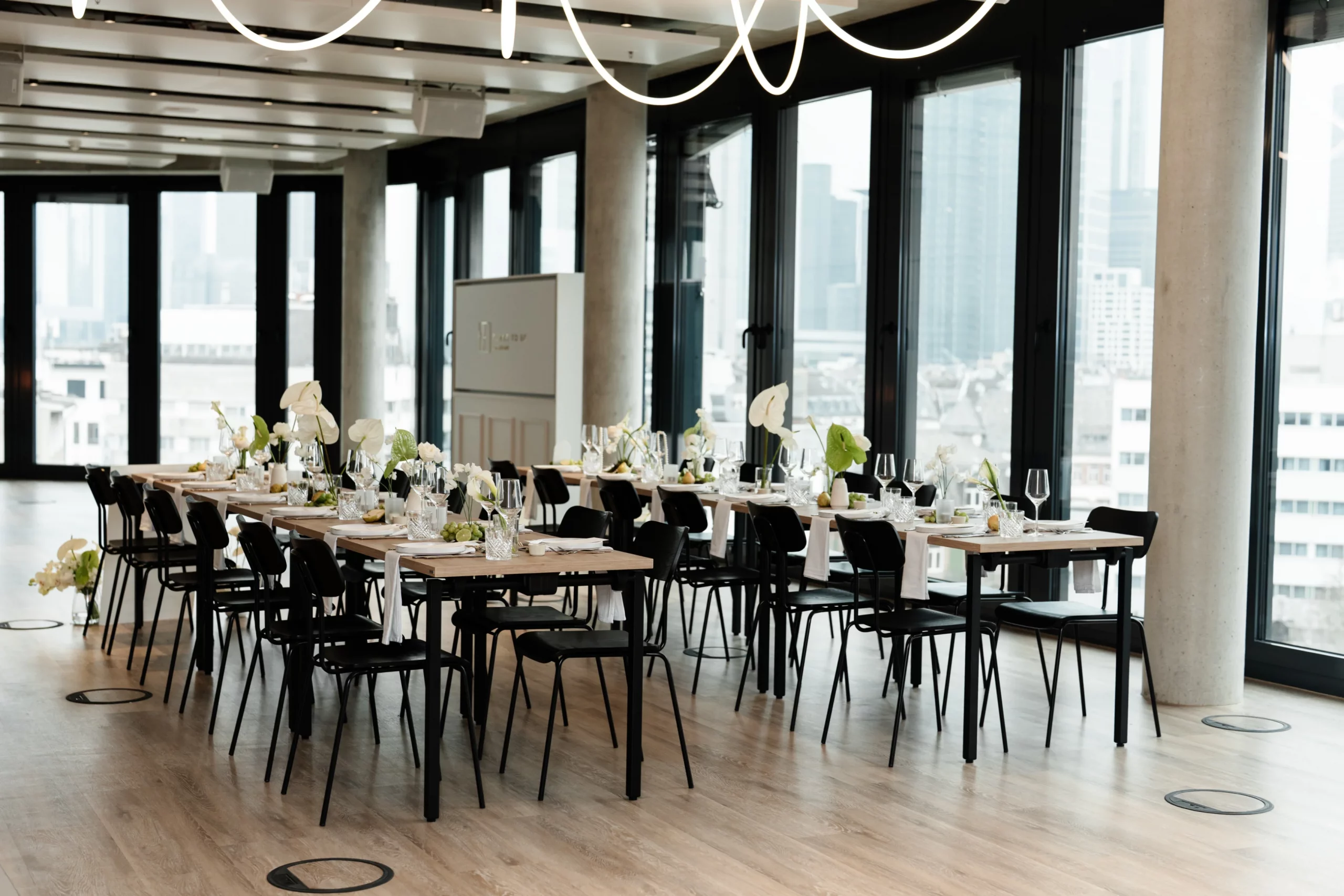
The engagement is fresh, the joy is great—and with it comes a growing desire to plan your own wedding day with personality and heart. From finding the venue to finalizing the guest list to selecting the right vendors, there are many decisions to make, and it’s important to stay on top of everything. To ensure that the preparations don’t become an obstacle but rather a seamless process, this article offers a comprehensive look at wedding planning.
From the Engagement to the Big Day
Once the initial excitement of the engagement has subsided, it’s time to set the key details for your wedding. These fundamental decisions form the framework for all further planning. Think about the following early on: When do you want to get married (do you have a specific date in mind or a preferred season)? What kind of celebration do you envision—an intimate gathering or a large party? What type of wedding ceremony are you looking for (civil, religious, or non-traditional)? And last but not least: What is your budget? You should define all these aspects at the beginning, as they determine the scope and effort required for the planning. The more specifically you outline your ideas at the start, the more precisely you’ll be able to plan later on.
Schedule
Many couples plan about 12 to 18 months in advance to allow enough leeway for finding a venue, booking vendors, and dealing with last-minute changes. Of course, every situation is different—some start two years in advance, while others manage to pull off their wedding in just six months. As a general rule, though, the earlier you start planning, the more relaxed you’ll be as the big day approaches. A structured wedding countdown helps immensely with staying on track: that way, you’ll know exactly when each task needs to be completed without getting caught up in last-minute chaos. Finding a venue, in particular, often influences everything else—popular venues book up quickly, and without a venue, you can’t set a specific wedding date. It’s therefore worth tackling this key step first.
Coordination Among Government Agencies
Find out well in advance about the required documents and deadlines for registering your marriage with the civil registry office. In Germany, you can register for a civil marriage no earlier than six months before the date—but you should still start gathering your documents and keeping your preferred dates in mind beforehand. If you also want to have a church wedding, start looking for a church or an independent wedding officiant just as early.
In short: When it comes to wedding planning, the most important thing at the beginning is to set the right course. Once you’ve settled on the date, venue, budget, and general timeline, you can start working out the details step by step. The next step involves contacting vendors, designing invitations, choosing outfits, and much more. How complex or simple you make this phase depends entirely on your preferences. The important thing is to always stay on track—that way, you won’t get lost in the planning jungle and can enjoy the anticipation of your dream wedding.
Requirements and Challenges in Wedding Planning
Planning a wedding is a demanding project that comes with its share of challenges. First and foremost, wedding planning takes time—more than you might initially expect. If you start preparations late, you’ll easily find yourself under time pressure, because many tasks can’t be completed at the last minute. Popular wedding vendors (from photography to catering) are often booked well in advance, especially during the peak season from May through September. This means that if you wait too long, you’ll have to compromise on the date or your choices. This time-sensitive aspect of planning requires good timing and forward thinking so that, in the end, all the pieces of the puzzle fit together.
Budget
Weddings can be expensive—in Germany, couples currently spend an average of about 15,000 € on their big day. This trend is on the rise, as many couples want to fulfill extravagant wishes, and prices for venues and services are also steadily increasing. A budget that’s too tight or unrealistic can quickly lead to stress: unexpected expenses pop up, additional requests push costs over budget, and suddenly you’re faced with unpleasant financial shortfalls. At the same time, some couples tend to take out a loan rather than cut back on their wedding day—the social and emotional pressure to put on a “perfect” celebration is high. Striking a balance between dreams and financial prudence is a key challenge that requires a great deal of communication and planning skill.
Emotional Expectations
Many couples feel intense pressure to make everything perfect: This one day is supposed to go off without a hitch and remain a cherished memory for everyone. But the expectation that absolutely everything must be perfect down to the last detail creates enormous pressure—and is hardly realistic. Constantly comparing your wedding to others (whether among friends or on social media) can intensify this feeling even more. In addition, a large-scale celebration involves countless decisions: from the color scheme of the table decorations to the song selection for the first dance—the sheer number of options can simply be overwhelming. Couples then easily start worrying whether they’ve forgotten anything and whether every decision is the right one.
Interpersonal Component
Family and friends often have ideas or traditions they’d like to see incorporated. Trying to please everyone—parents, in-laws, witnesses, and every guest—often adds to the stress. Conflicts over guest lists (“Does Uncle X really have to be invited?”) or parts of the program are not uncommon. This requires a great deal of tact to ensure you don’t lose sight of your own wishes as a couple while still including important people in your lives.
Tips: How to Plan a Successful Wedding
Plan Ahead
One of the easiest ways to avoid stress is to start early. The sooner you begin planning, the more relaxed the process will be. Secure the most important resources early on—especially your wedding venue and your photographer. It’s best to start looking for a venue about a year before your desired date, since the most popular venues and vendors are often booked well in advance, especially for summer weddings. If your desired date falls on a Saturday during peak season, you should make your inquiry even earlier. If you’re somewhat flexible with your dates, consider a Friday or Sunday for your wedding—on these days, many venues are more readily available and often less expensive to book. As a general rule: it’s better to start making inquiries too early than too late. Once your top choices are confirmed, you’ll have a solid foundation and can plan the rest around them.
Setting Priorities
Think together about what really matters to you for your wedding. Would you rather invest in a breathtaking venue, or is the culinary experience your top priority? Is a big party with a band important to you, or would you prefer an intimate setting with carefully chosen decorations? Decide on these priorities early on. By defining clear priorities, you won’t get lost in countless details but will instead focus on what matters most to you as a couple. This can take a lot of pressure off. You can take a more relaxed approach to anything that isn’t at the very top of your personal list of priorities—or leave it out altogether if necessary. A wedding doesn’t have to live up to every trend and expectation; above all, it should suit you.
Keeping Track of Budget Planning
Financial planning goes hand in hand with your priorities. Sit down together as early as possible and create a budget plan for your wedding. List all the expected expenses—from venue rental to catering, attire, rings, and the photographer, all the way to decorations and surprises—and assign a realistic amount to each one. Use past experience as a guide: The average cost of a wedding in Germany is currently around €15,000, though it can be significantly higher depending on the size and your specific preferences. This guideline can help you assess whether your plans are within a realistic range. It’s important to build in a buffer from the start (about 10–15% of the budget) for unforeseen expenses or spontaneous extras. Stick consistently to your budget throughout the entire planning phase—update your cost list regularly and check to see if you’re still on track. This way, you’ll ensure that financial worries don’t spoil your anticipation. And always remember: It’s better to cut back on less important things than to plunge into long-term debt for a single day—after all, you don’t want your marriage to start with stress over money.
Delegating Tasks
Let go of the idea that you have to do everything yourself. Brides, in particular, tend to want to perfect every detail on their own—but this perfectionism often leads straight to exhaustion. Lean on the people around you: Best men, sisters and brothers, and close friends are usually happy to help with specific tasks. You can even actively ask your family or friends for support—many are happy to lend a hand to the bride and groom. Why not ask for help with the wedding instead of material gifts? For example, friends can bake cakes, help make the wedding favors, or take on coordinating tasks on the wedding day itself. Divide up the to-dos so that you, as a couple, don’t have to handle everything on your own. This kind of division of labor can simplify the planning process.
Consider seeking professional help
If the planning still feels overwhelming or you simply don’t have the time, you can always call in a professional. A wedding planner can handle either the entire organization or just specific aspects, depending on your preferences. The advantage is obvious: They bring experience to the table, have a network of vendors, and keep everything under control on your big day—so you can relax. Wedding planners can effectively help couples avoid planning stress and make it easier to coordinate everyone involved. However, this service naturally comes at a price: Depending on the scope of services, complete planning packages can cost several thousand euros extra. So think carefully about whether this investment offers you enough added value in terms of peace of mind. Often, there are also intermediate solutions, such as a “day-of-coordination” service, where a professional ensures everything runs smoothly on the wedding day itself. Either way: Don’t hesitate to accept outside help if you realize you’re reaching your limits—that’s what experts are there for, after all.
Stay flexible and calm
No matter how meticulously you plan, in the end, no celebration will go 100% perfectly—and that’s perfectly fine. Realize early on that small, unforeseen things can happen: Maybe the weather takes a turn for the worse, a vendor cancels at the last minute, or something doesn’t go exactly according to plan. Instead of panicking or succumbing to perfectionism, practice staying calm. Have a Plan B ready for key elements (e.g., a bad-weather alternative for an outdoor wedding ceremony), but also accept that some things are beyond your control. If a mishap does occur, try not to let it bother you. Most of the time, guests don’t even notice small mistakes—and often, it’s precisely the unexpected moments that later become the day’s most endearing anecdotes. So stay flexible and focus on what really matters: your happiness and your guests. Because in the end, what counts isn’t whether the napkins matched the bridal bouquet exactly, but that you experience a wonderful day full of emotions.
What Matters in the End
Planning a wedding is undoubtedly a challenging task—but with the right attitude and good organization, you can pull it off successfully. Let’s recap: Start early enough, set the parameters, keep an eye on your budget and priorities, get help where needed, and don’t forget to enjoy the anticipation. Then you’ll be able to approach your big day with a sense of calm and confidence. After all, your wedding should reflect your personalities and be a celebration of love, not a test of perfection. If, at the end of the day, the two of you have happily said “I do” and are celebrating with your loved ones, then the planning was a success—regardless of whether every bow was perfectly straight or not.
Our Venues for Your Wedding Receptions in Frankfurt & Düsseldorf
Are you still looking for the perfect wedding venue? We offer inspiring venues for unforgettable events. Feel free to stop by and take a look: Our
wedding venues in Frankfurt offer breathtaking views of the skyline and a state-of-the-art atmosphere, and our
wedding venue in Düsseldorf, with its exclusive style, invites you to dream and celebrate. Come see for yourself and find the venue that will make your wedding vision a reality—we look forward to your visit!
Frequently Asked Questions About "Wedding Planning"
How do I find the perfect wedding venue?
Choosing the venue is one of the first and most important decisions in wedding planning—it shapes the style, atmosphere, budget, and schedule of the day. The perfect venue should reflect your personalities while also being practical (enough space, suitable facilities, and a backup plan in case of bad weather). So start your search early: Popular venues are often booked months in advance. With a clear idea of your style, guest list, budget, and desired services, you’ll ultimately find your dream venue without any unnecessary stress.
When should you book the wedding venue?
It’s a good idea to start your search about a year before your planned wedding date. Calendars fill up very quickly, especially during the traditional summer months (May–September). If you’re flexible, you can also consider weekdays (e.g., Friday or Sunday) or off-season dates—there’s often a wider selection and lower prices during those times.
How much does a wedding venue cost?
Costs vary widely depending on the type and scope of the services booked. On average, couples in Germany spend about €1,000 to €6,000 on the venue. Expensive castles or exclusive restaurants can cost significantly more, while simple hall rentals cost less. It’s important to keep track of all the costs: Many venues offer all-inclusive packages with catering, which is convenient but can drive up the price. Pay close attention to which services are included and build in a financial buffer for extras. This way, you’ll avoid being surprised by hidden fees (e.g., for extended hours, additional rooms, etc.) at the end.
What questions should you ask a wedding venue?
During the tour, you should specifically clarify whether the venue meets your needs. Important questions include: How many guests can it accommodate? What’s included in the rental price (e.g., furniture, tableware, equipment)? Are there any restrictions on catering, music, or decorations? Until what time can the party go on, and are there noise restrictions? A list like this helps you compare different offers and avoid unpleasant surprises. Also discuss contract details (e.g., deposit, cancellation policy) and inquire about parking or lodging options for your guests.